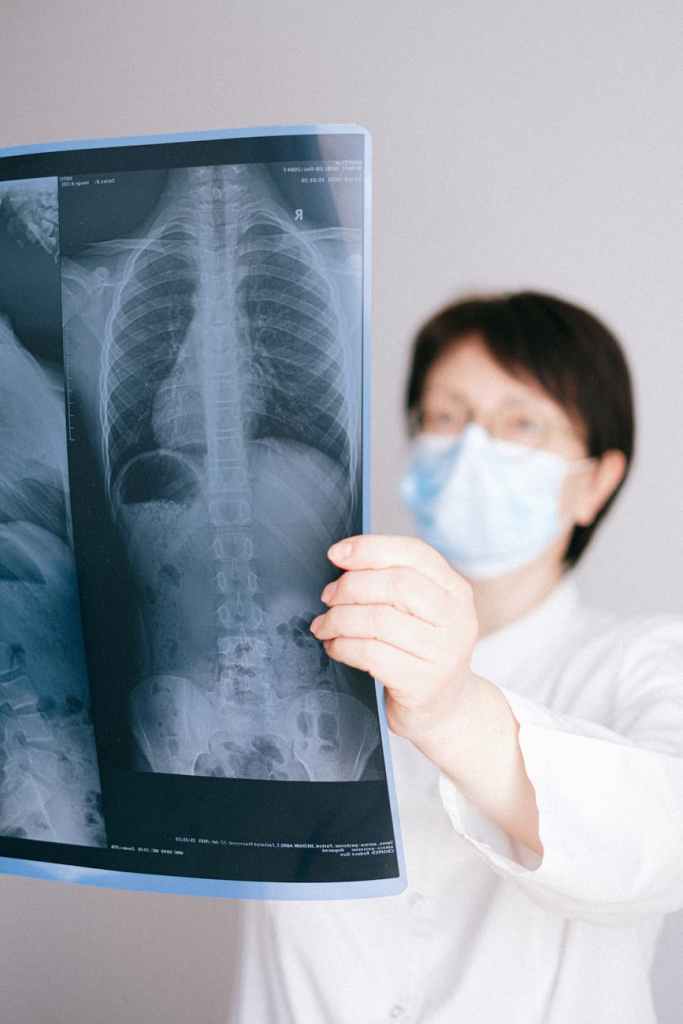
Pulmonary hypertension (PH) is hard to diagnose, especially in places with limited medical resources, but catching it early is crucial for treatment.
A group of researchers from China conducted a retrospective cohort study with 4,576 patients, including 2,288 pulmonary hypertension cases, who underwent chest X-rays (CXR) followed by right heart catheterization (RHC) or transthoracic echocardiography (TTE). They wanted to see if artificial intelligence could analyze chest X-rays to detect pulmonary hypertension associated with congenital heart disease (PAH-CHD). They trained two artificial intelligence systems:
- CXR-PH-Net: to detect general pulmonary hypertension
- CXR-CHD-PAH-Net: to detect the specific CHD-PAH type
The researchers tested these systems on different groups of patients to see how accurate they were. Both artificial intelligence systems performed very well:
- The general pulmonary hypertension detector correctly identified about 90% of cases
- The CHD-PAH detector correctly identified about 85-87% of cases
- Both systems showed strong overall accuracy scores
These AI tools could help doctors screen for pulmonary hypertension using just chest X-rays, which are cheaper and more widely available than specialized heart tests. This could be especially valuable in areas with limited medical resources, helping catch the disease earlier when treatment is more effective. The researchers note that more testing is needed with diverse populations to make sure these tools work well for everyone.
Citation
Deep Learning-Enhanced Non-Invasive Detection of Pulmonary Hypertension and Subtypes via Chest Radiographs, Validated by Catheterization, Huang, Zhihua et al.CHEST, Volume 0, Issue 0
Read more at this link on the CHEST Journal (abstarct only, full access only on request)