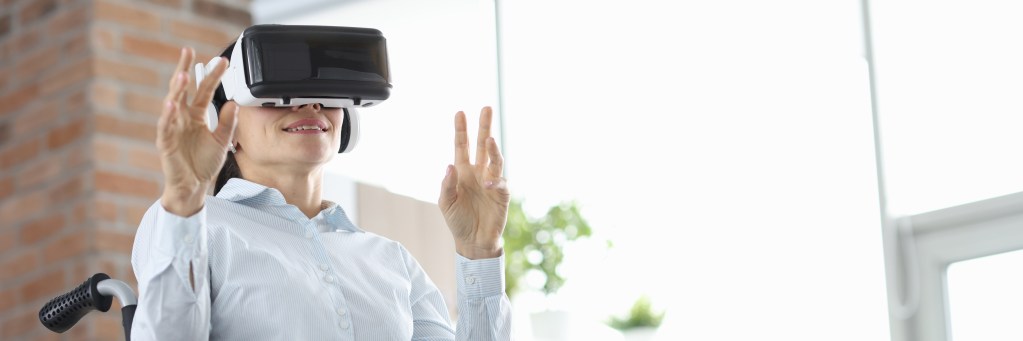
According to Paul Wischmeyer, Professor of Anesthesiology and Surgery with Tenure and Director of Perioperative Research, at the Duke Clinical Research Institute, USA, virtual reality technology offers a promising solution to improve patient well-being in intensive care settings. Staying in intensive care can be an incredibly challenging and disorienting experience for patients. Many face severe physical discomfort, pain, and the inability to move freely due to medical equipment. Delirium is very common, often causing confusion, hallucinations, and a profound loss of sense of time and reality, exacerbated by the isolation and sensory deprivation of the intensive care environment. All these factors contribute to immense psychological distress, making the intensive care stay not only a physically demanding experience but also an emotionally and mentally exhausting one. Wischmeyer says that virtual reality can be used to allow intubated intensive care patients to exercise in bed on ventilator as well as to escape for a brief vacation!
The Pulmonary Hypertension Association UK has a dedicated lifestyle website which addresses the issue of delirium in intensive care in the context of lung or heart-lung transplant and how the lack of understanding, fear of judgement or even shame can stop people seeking help (“Understanding ICU Delirium”) and has published some patient stories about it (“Real experiences of ICU delirium”).
Read more at this link on Paul Wischmeyer’s LinkedIn page.