

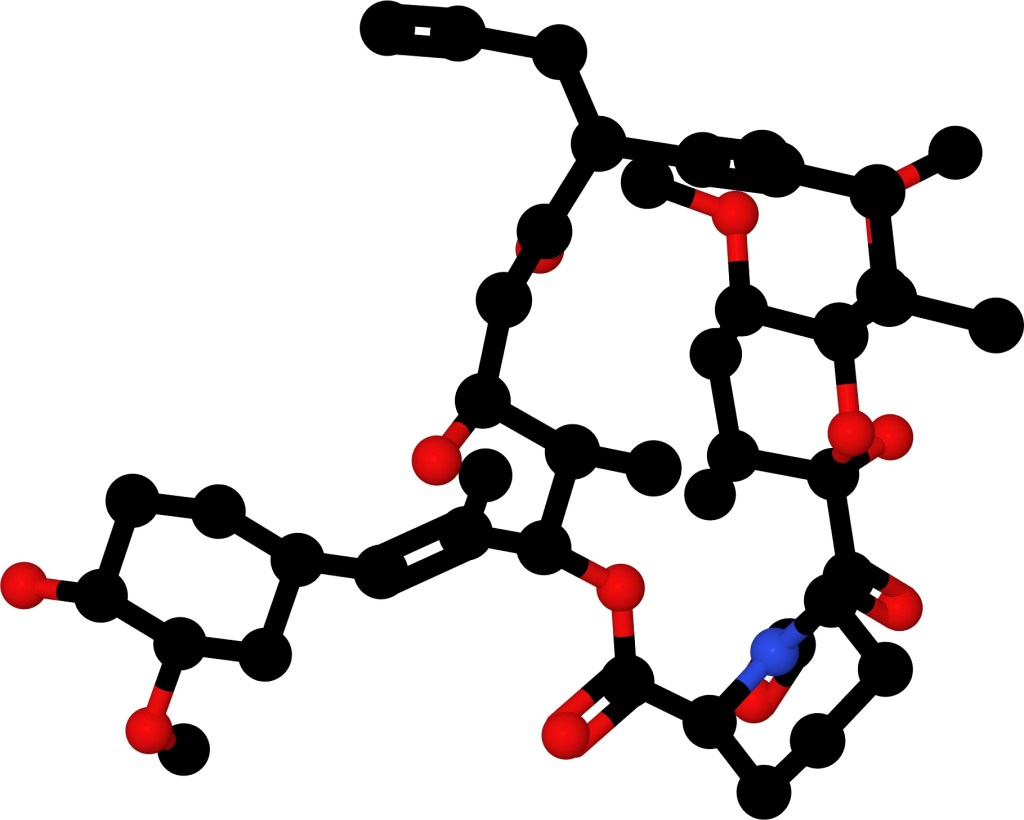
Tacrolimus (FK506), discovered in 1984 from Japanese soil fungus, revolutionized organ transplantation. Dr. Thomas Starzl’s pioneering work at the University of Pittsburgh demonstrated dramatic improvements over cyclosporine: liver graft survival increased from 65.5% to 86.2%, with rejection rates dropping to 1-2%. The Food and Drug Administration (FDA) approval followed for liver (1994), kidney (1997), and heart (2006) transplantation.
Today, tacrolimus is used in over 80% of solid organ transplants worldwide.
How It Works
Tacrolimus inhibits calcineurin, blocking T-cell activation and interleukin-2 production—the same pathway as cyclosporine but through a different receptor (FK-binding protein-12 vs cyclophilin).
Clinical Advantages Over Cyclosporine
- 15-25% reduction in acute rejection rates
- No cosmetic side effects (hirsutism, gingival hyperplasia)
- Lower hypertension and hyperlipidemia rates
- Fewer drug interactions with statins
- Better long-term graft function, especially with Mycophenolate Mofetil (MMF)
Key Toxicities
New-Onset Diabetes (NODAT): Initially 20% vs 4% with cyclosporine, but recent data shows dramatic decline to <10%, attributed to reduced steroid use and better overall management.
Nephrotoxicity: Once considered a major concern, recent evidence suggests tacrolimus is less nephrotoxic than cyclosporine, and many lesions previously blamed on Calcineurin Inhibitors (CNI) toxicity actually result from under-immunosuppression and antibody-mediated rejection.
Neurotoxicity: More common than with cyclosporine (tremor, headache, rarely seizures), but often improves with dose reduction. Once-daily formulations with lower peak levels may reduce symptoms.
Landmark Studies
ELITE-SYMPHONY (2007): Established low-dose tacrolimus (3-7 ng/mL) with Mycophenolate mofetil as optimal therapy, demonstrating best kidney function (GFR 65.4 mL/min), lowest rejection (12.3%), and superior graft survival (94.2% at 1 year).
Food and Drug Administration approval of tacrolimus + mycophenolate mofetil (2009): Recognized this combination as standard of care. Important: mycophenolate mofetil doses differ with tacrolimus vs cyclosporine due to different effects on drug exposure.
Alternative Strategies—Limited Success
mTOR Inhibitors (Sirolimus/Everolimus): Multiple trials attempted Calcineurin Inhibitors reduction or elimination. Results showed better kidney function but higher rejection rates, significant adverse effects (wound healing, proteinuria), and discontinuation rates of 20-34% vs 11-22% for tacrolimus regimens. The 2019 TRANSFORM trial showed everolimus + low-dose tacrolimus was noninferior to standard therapy, offering a viable alternative.
Belatacept: Better long-term kidney function than cyclosporine but higher early rejection rates. No head-to-head comparison with tacrolimus exists.
Calcineurin Inhibitors withdrawal: The CTOT-09 trial definitively showed that even in carefully selected low-risk patients, complete tacrolimus withdrawal resulted in unacceptable rejection and antibody formation.
Modern Formulations
Generic tacrolimus: Available since 2008, bioequivalent to brand but with ongoing concerns about testing standards and inter-generic variability.
Once-daily formulations:
- ER-tacrolimus (Advagraf/Astagraf XL)
- LCP-tacrolimus (Envarsus XR): Lower peak concentrations, potentially fewer neurological side effects
Both non inferior to twice-daily dosing with potential adherence benefits.
Current Practice
Standard regimen: tacrolimus + mycophenolate + corticosteroids ± induction therapy. Target troughs: 8-12 ng/mL initially, 5-8 ng/mL maintenance. Close monitoring essential due to narrow therapeutic window, drug interactions, and genetic variability affecting levels.
The Bottom Line
After 40 years and numerous attempts to find alternatives, tacrolimus remains the gold standard for transplant immunosuppression. While managing toxicities continues to challenge clinicians, its superior efficacy in preventing rejection and graft loss has made it indispensable. Current research focuses on optimizing combination therapies and individualized approaches, but tacrolimus-based regimens remain the foundation of successful transplantation for hundreds of thousands of patients worldwide.
Citation
Ong, Song C. MD1; Gaston, Robert S. MD, FAST1,2. Thirty Years of Tacrolimus in Clinical Practice. Transplantation 105(3):p 484-495, March 2021. | DOI: 10.1097/TP.0000000000003350
Read more at this link on Transplantation
Platform: x86_64-unknown-linux-gnu
Compiler: g++ 7.1.1
Photo credit. Brenton (talk) – Own work, CC BY-SA 4.0, https://commons.wikimedia.org/w/index.php?curid=61288765