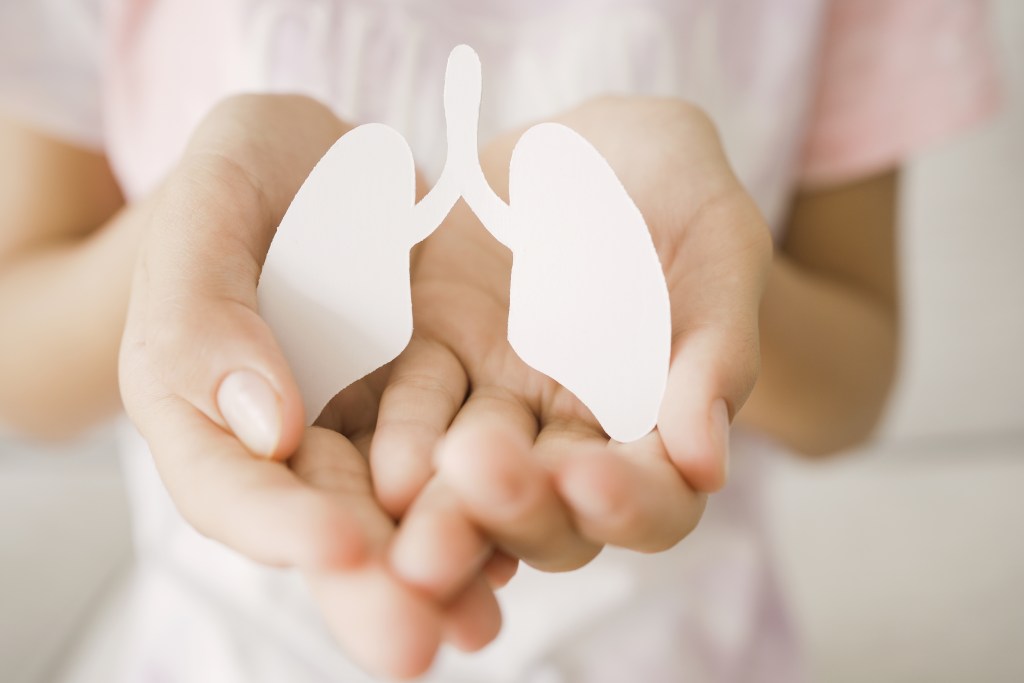
Researchers at the University of California, Los Angeles (UCLA), have achieved a breakthrough by successfully growing miniature lungs from stem cells that include functioning blood vessel networks for the first time. Published in Cell, this advancement represents a significant step forward because previous lung organoids lacked the essential vascular systems needed for proper lung function.
The research team made an unexpected discovery during their work. Instead of growing lung tissue and blood vessels separately and combining them later (the conventional approach), they found that both components naturally developed together from the same starting material. This led them to abandon the assembly method and instead allow the tissues to co-develop from the beginning, more closely mimicking natural human lung development.
The resulting mini-organs showed superior characteristics compared to previous models: greater cell diversity, better 3D structure, improved cell survival, and more mature development. This breakthrough opens possibilities for creating other vascularized organ models and provides powerful new tools for studying diseases, testing drugs, and developing personalized treatments. The team has already used their advanced model to gain new insights into a rare congenital lung disorder affecting newborns.
Read more at this link on the UCLA Classroom