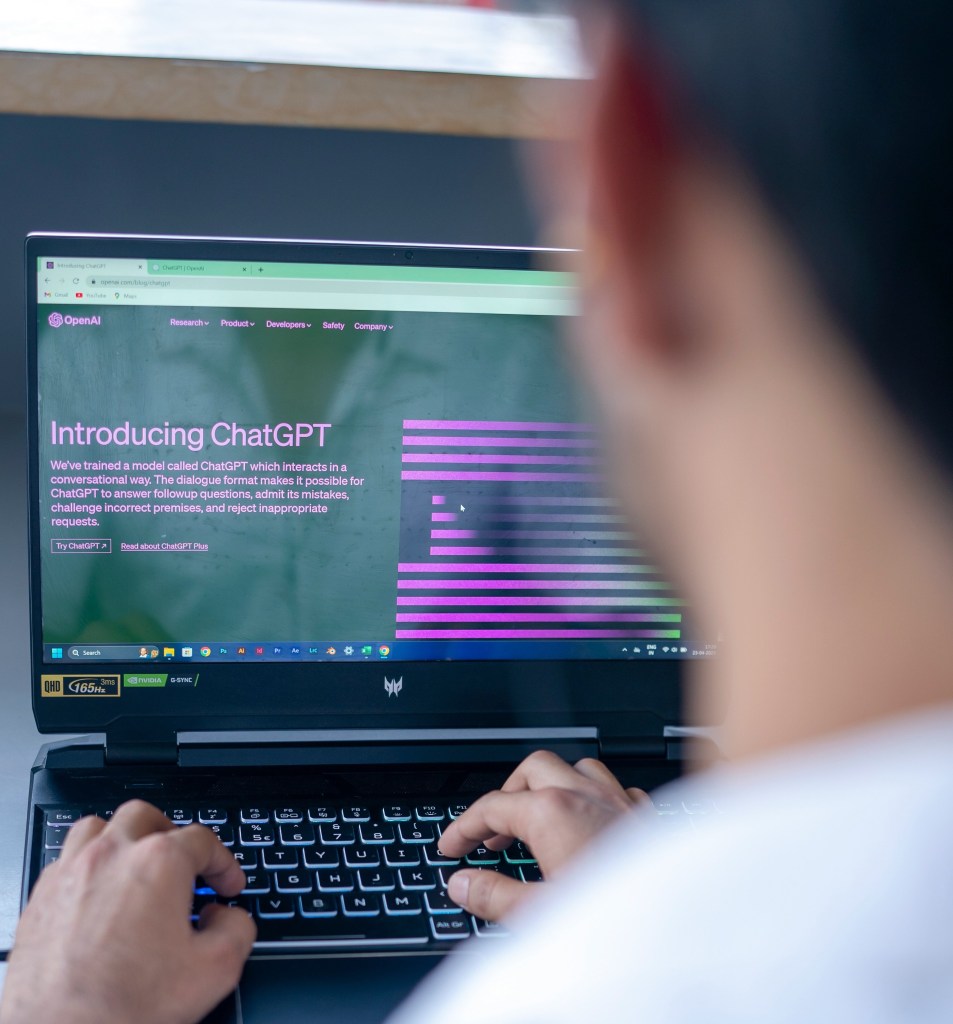
Patients worldwide are increasingly switching from Dr. Google to Dr. Chat GPT. A recent article titled “Trustworthiness, Value, Danger, and Readability of ChatGPT-Generated Responses to Health Questions Related to Pulmonary Arterial Hypertension”, published in the Cureus Journal of Medical Science on October 14, 2024, aimed to determine how well ChatGPT could accurately and consistently respond to inquiries on knowledge and management for pulmonary arterial hypertension. This article was previously presented as a meeting abstract at the 3rd International Congress on Innovative Approaches in Medical and Health Sciences on 08 October 2023.
ChatGPT, a popular AI language model, is used by both patients and professionals for various tasks. While it can generate useful content, it sometimes produces inaccurate or misleading information, known as “hallucinations.”
The researchers submitted eight questions to ChatGPT: What is pulmonary arterial hypertension, What causes pulmonary arterial hypertension, Is pulmonary hypertension the same as hypertension as we know it, What are the symptoms of pulmonary arterial hypertension, Who has pulmonary arterial hypertension, Pregnancy in a patient with pulmonary arterial hypertension, How is pulmonary arterial hypertension diagnosed?
A questionnaire was created exclusively for the purpose of this research and was administered to all 10 medical experts who are members of the Turkish Cardiology Association’s pulmonary arterial hypertension study group and are cardiologists actively involved in clinical research and studies in this field. The ten cardiologists were selected using the random sampling method from among the volunteer members of this study group. The ChatGPT responses were evaluated by these professionals based on trustworthiness, value, and danger, utilizing a numerical rating system ranging from 1 to 10. The greater the numerical value assigned to a response, the greater its perceived level of trustworthiness, value, or danger. This methodology had been used in a previous study addressing a similar topic.
The study authors conclude that ChatGPT “demonstrates extensive expertise in the realm of healthcare, attributable to the utilization of expansive datasets during its training process. The veracity of the data furnished by ChatGPT is contingent upon an accurate comprehension and response to the inquiries posed. The reliability of health-related information furnished by ChatGPT is widely acknowledged by professionals in the field. Nonetheless, a precise diagnosis or treatment suggestion for any health issue necessitates an evaluation of the particular circumstances and a personalized methodology. Hence, it is not reasonable to anticipate that the data furnished by ChatGPT would serve as a substitute for the information dispensed by a medical practitioner or an expert in the field.”
Read more at this link on the Cureus web page
Citation
Kerkütlüoğlu M, Kaya E, Gökmen R (October 14, 2024) Trustworthiness, Value, Danger, and Readability of ChatGPT-Generated Responses to Health Questions Related to Pulmonary Arterial Hypertension. Cureus 16(10): e71472. doi:10.7759/cureus.71472