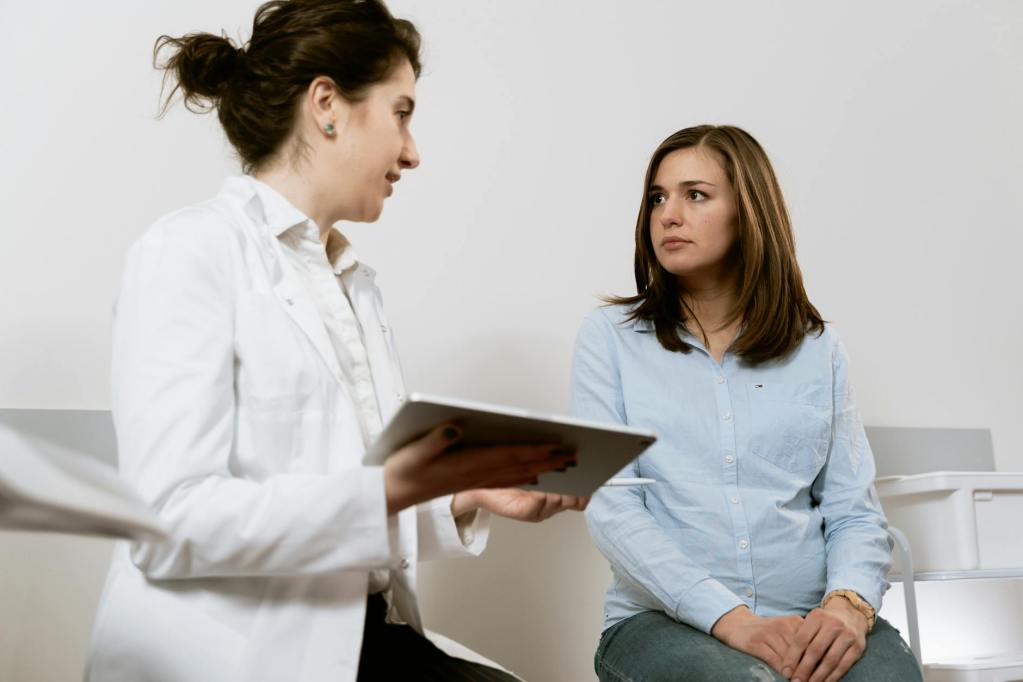
An article titled “Empowering patient research” which was recently published on the Aeon Psyche newsletter on August 5, 2024, discusses the challenges faced by patients with chronic illnesses and disabilities in the healthcare system, particularly in research and academia. The article advocates for the inclusion of patients as active participants in medical research, arguing that their lived experiences offer valuable insights that could enhance clinical understanding and treatment outcomes.
Quoting from the article: “In medicine, the traditional model for researching disabilities repeats itself again and again: non-disabled researchers conduct their studies ‘on’ disabled people as their subjects. While there may be nothing inherently wrong with this mode of scholarship, it carries limitations that should be acknowledged. The fact is: patients can have different priorities from clinicians. They can see things that clinicians may not recognise because they accrue vital first-person knowledge that comes from living with disability or illness. And they are most certainly stakeholders in the research outcome of their own disease.”
Several patient-researchers are highlighted in the article, such as Rosamund Snow, who, in 2013, she became the first person to obtain a PhD in researching their own condition (link to her study), type 1 diabetes. Later, as an academic at the University of Oxford’s Nuffield Department of Primary Care Health Sciences, Snow taught communication skills and the importance of the patient perspective to student doctors, and worked to embed patient involvement into curriculum design. The University of Oxford now offers a Rosamund Snow Scholarship for Patient-Led Research.
Liz Salmi, a brain cancer patient, advocated for patient access to medical records. She analysed the results of a large-scale survey of US oncology clinicians and patients with access to their records and found that, while 98% cent of patients thought reading their own records was a good idea, only 70% of the clinicians agreed. And, whereas 44% clinicians thought their patients would find the notes more confusing than helpful, only 4% did.
Sara Riggare researches Parkinson’s disease and is a patient-researcher at the Department of Women’s and Children’s Health in Uppsala University, Sweden. She argues that patients acting as self-researchers is a no-brainer: “‘”I see my neurologist twice a year, about half an hour every time. That’s one hour per year in healthcare for my Parkinson’s disease. During the same year I spend 8,765 hours in selfcare, applying my knowledge and experience together with what I get from my neurologist to manage a difficult condition as best I can.” Her current passion within this area is the field of the ‘quantified self’, which focuses on patients empowering themselves via continuous technological monitoring of their symptoms to better understand and take control of their health.
These individuals demonstrate the potential benefits of patient-led research but also face significant barriers within academic institutions, including a lack of recognition and support.
The article calls for a paradigm shift in the way academia and healthcare systems view and incorporate the experiences of disabled people. It argues that by embracing patient insights, healthcare could solve problems more effectively and create a more inclusive and innovative environment. The piece concludes by stressing the importance of diversity and inclusion in research, noting that the absence of patient perspectives diminishes collective wisdom and hinders progress in healthcare.
Authors
Charlotte Blease is associate professor of health informatics at the Department of Women’s and Children’s Health, Uppsala University, Sweden, and research affiliate at the Division of Digital Psychiatry, Beth Israel Deaconess Medical Center, Harvard Medical School, Boston, US. She has written more than 130 academic articles on healthcare
Joanne Hunt is a postgraduate researcher in psychology and disability, and research affiliate at the Department of Women’s and Children’s Health, Uppsala University, Sweden. She has lived with life-long ‘medically unexplained’ illness, recently diagnosed as hypermobile Ehlers-Danlos syndrome.
Read the full text of the article at this link on the Aeon Psyche newsletter